20 Jul

Stronger Together: Collaborative Solutions for Youth Mental Health Challenges in Florida
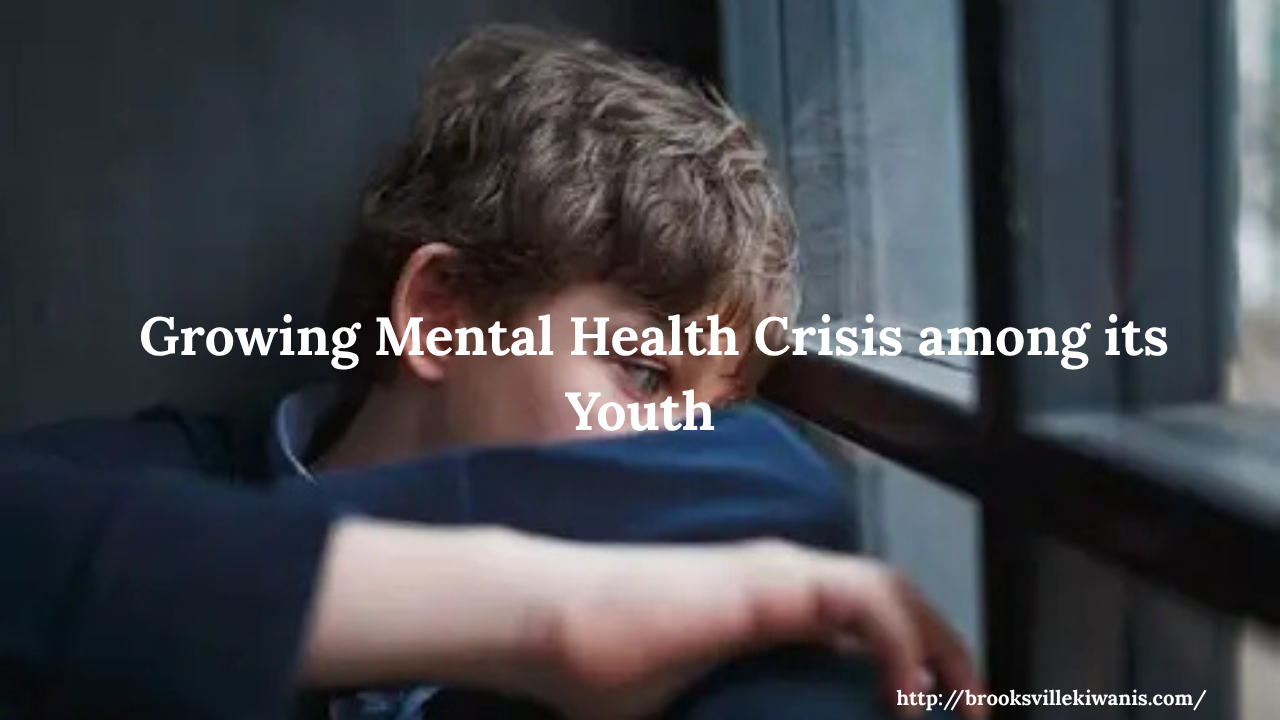
Florida is taking bold steps to address the growing mental health crisis among its youth. Recognizing that no single institution can tackle this challenge alone, schools, healthcare providers, community organizations, and families are joining forces to create comprehensive, collaborative solutions. By working together, these stakeholders are building a support system that prioritizes prevention, early intervention, and accessible care for children and adolescents across the state.

Building Cross-Sector Partnerships

One of the key strategies in Florida’s youth mental health response is fostering partnerships between schools, healthcare agencies, and community organizations. These collaborations allow for a holistic approach to care, ensuring that mental health services extend beyond the classroom and into homes and communities.

For example, Florida’s Community Partnership Schools model brings together educators, healthcare providers, social service agencies, and parents to create wraparound support for students. Services include counseling, health care, after-school programs, and family support services, all housed within the school environment. This model addresses both academic and mental health needs, helping students succeed in all areas of life.

Expanding Access to Care

Access to mental health services remains a significant barrier for many Florida families, especially in rural and underserved areas. To address this gap, the state is investing in telehealth services and mobile mental health units. These innovations provide counseling and therapy to students who may not otherwise have access to care.

Additionally, initiatives like the Florida Pediatric Mental Health Collaborative help connect primary care physicians with mental health specialists, allowing for early identification and treatment of mental health conditions in children. This model supports families by integrating care into familiar healthcare settings and reducing stigma associated with seeking mental health support.

Training and Empowering Educators

Florida schools are also equipping educators and staff with the tools they need to support student mental health. Programs like Youth Mental Health First Aid and the Youth Mental Health Awareness Training (YMHAT) provide teachers with the skills to recognize signs of emotional distress and intervene appropriately.

By creating mental health-friendly school environments, educators can serve as the first line of defense, identifying concerns early and connecting students with professional help. This proactive approach fosters a sense of safety and support within schools, reducing the risk of long-term mental health issues.

Community and Family Involvement

Families and community members play a critical role in supporting youth mental health. Florida is promoting parent education workshops, peer support groups, and family-centered counseling programs to empower caregivers. These initiatives ensure that children receive consistent support at home and in their communities, creating a network of care that surrounds them with understanding and compassion.

A Unified Vision for the Future

Florida’s collaborative approach to youth mental health emphasizes the power of partnership. By breaking down silos and working together, schools, healthcare providers, families, and community organizations are creating a comprehensive system of care.

This collective effort is paving the way for a brighter, healthier future for Florida’s children and adolescents. As these collaborative solutions continue to evolve, they offer hope and healing to countless young lives, proving that together, we are stronger.

8 Jul

Empowering Young Minds: Mental Health Initiatives Transforming Florida’s Schools

Florida is leading a much-needed transformation in how mental health is addressed in schools. With rising rates of anxiety, depression, and trauma among children and adolescents, the state has recognized that schools are on the front lines of mental health intervention. Through strategic investments, policy changes, and innovative programs, Florida is empowering young minds by making mental health a top priority in education.

Prioritizing Mental Health in the Classroom

In recent years, Florida has significantly increased funding for school-based mental health services. The Mental Health Assistance Allocation (MHAA) provides resources to school districts for hiring counselors, social workers, and school psychologists. In the 2022-2023 school year alone, the state allocated $140 million to expand these essential services.

This funding allows schools to provide more comprehensive support, including one-on-one counseling, group therapy sessions, and prevention programs that build emotional resilience. Educators are also receiving training to recognize early signs of mental distress and to respond with empathy and appropriate referrals.

Youth Mental Health Awareness Training

The Youth Mental Health Awareness Training (YMHAT) initiative is another critical component of Florida’s mental health strategy. This program equips teachers, staff, and administrators with the skills to identify, understand, and respond to mental health issues. It promotes a proactive approach to student wellness and fosters a culture of care and understanding within the school community.

By encouraging open dialogue about mental health, YMHAT helps break down stigma and ensures students feel safe seeking help. The program also emphasizes the importance of peer support, teaching students how to look out for one another and connect friends with trusted adults.

School-Community Partnerships

Florida schools are increasingly forming partnerships with community mental health organizations to extend the range and depth of support available to students. These partnerships allow for the integration of school-based services with broader community resources, such as outpatient counseling, crisis intervention, and substance abuse programs.

For example, many schools work closely with local nonprofit mental health providers to offer on-site therapists who can meet with students during the school day. This approach reduces the logistical barriers to accessing care and ensures timely intervention.

Incorporating Social and Emotional Learning (SEL)

Another transformative initiative in Florida’s schools is the integration of Social and Emotional Learning (SEL) into the curriculum. SEL programs teach students skills such as emotional regulation, empathy, conflict resolution, and effective communication.

These programs not only enhance academic performance but also promote mental wellness by helping students understand and manage their emotions. Schools that embrace SEL often report improved student behavior, better classroom environments, and stronger teacher-student relationships.

Looking Ahead

Florida’s commitment to student mental health reflects a broader understanding that education must address the whole child—mind, body, and spirit. By embedding mental health initiatives into the heart of school systems, the state is laying the groundwork for a healthier, more resilient generation.

As these efforts continue to evolve, Florida’s schools serve as a model for how educational institutions can lead the way in supporting youth mental well-being. Empowering young minds today ensures a brighter, more compassionate future for all.